Source Customized Front Bumper for Trucks, Cars, and Boats
Compare 30 listings for customized front bumper options suitable for trucks, cars, and marine applications. Buyers can evaluate materials like rubber and steel, check certifications such as CE and ISO, and review supply capabilities from suppliers in China and Taiwan.
Key considerations
Products List
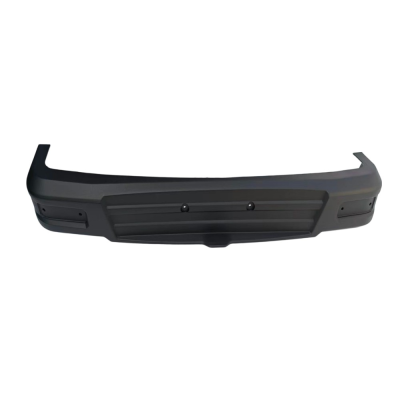


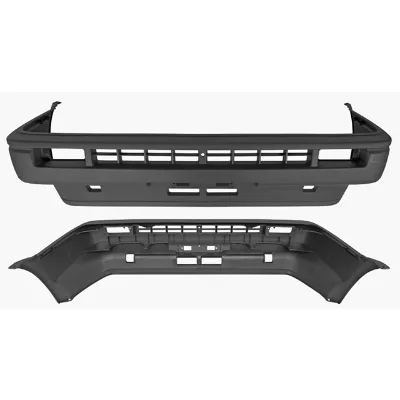


Comprehensive Sourcing Guide
Customized Front Bumper Sourcing Guide
Procuring a customized front bumper requires careful alignment between specific vehicle requirements and available manufacturing capabilities. The market offers distinct options ranging from rubber-based marine outfitting components to steel structures designed for heavy-duty trucks and cars. Buyers must distinguish between products intended for general industrial flooring and those engineered specifically for vehicle impact absorption, as the material composition and structural integrity vary significantly across these categories.
Verification of the product's intended application is the first critical step in the sourcing process. While some listings indicate suitability for boat flooring or industrial slabs, others explicitly target automotive front and rear bumper positions. Understanding whether the component is a solid rubber slab or a steel assembly determines the necessary surface treatments and customization options, ensuring the final part meets the specific functional demands of the intended vehicle platform without compromising safety or fitment.
Product Scope and Observed Listing Signals
The observed product landscape reveals a wide spectrum of materials, including natural rubber, steel, and composite mixtures involving metal and filter wood pulp. Listings frequently highlight specific attributes such as D-style shapes, polished surfaces, and high energy absorption capabilities, which are essential for effective impact mitigation. Buyers should note that while some items are marketed for marine use, others are explicitly designed for truck and car applications, necessitating a clear definition of the end-use environment before selecting a supplier.
Customization availability is a prominent feature across the observed listings, allowing for tailored solutions that match specific vehicle models or design preferences. The supply chain demonstrates flexibility with varying packaging methods, from wooden cases to EPE and bubble bags, depending on the product's fragility and size. However, the presence of diverse origin points, including mainland China and Taiwan, suggests that buyers must verify the specific manufacturing location to ensure consistency in quality control and logistical planning for their specific procurement needs.
Technical Specifications to Verify
Technical due diligence must focus on the precise material composition and structural design of the bumper. Buyers should confirm whether the unit is constructed from solid rubber, steel, or a hybrid of metal and paper pulp, as these materials dictate the part's durability and resistance to environmental factors. The distinction between a standard industrial slab and a specialized automotive bumper is critical, particularly regarding the energy absorption rating and the specific shape, such as the D-style configuration observed in certain listings.
Dimensional accuracy and surface treatment are equally vital for ensuring proper fitment and aesthetic integration. The observed data indicates that surface polishing is a common treatment, which may enhance corrosion resistance or visual appeal depending on the application. Additionally, the model numbers and specific designations, such as HB-001 or CB, serve as unique identifiers that buyers must cross-reference with their vehicle's requirements to avoid mismatches in mounting points or structural load-bearing capacities.
Compliance and Safety Documentation
Ensuring regulatory compliance is a non-negotiable aspect of sourcing automotive and industrial components. The market data confirms the presence of CE certification and ISO standards, which serve as foundational indicators of quality management and safety adherence. Buyers must request current certification documents to verify that the specific batch of bumpers meets the necessary safety protocols for the target market, as these standards often vary significantly between regions and vehicle classes.
Beyond general certifications, specific performance standards related to filtration efficiency and structural integrity should be scrutinized. While some listings mention filtration efficiencies exceeding 99.8%, this metric is more relevant to air filtration products than bumper assemblies, highlighting the need for buyers to carefully interpret technical data sheets. It is essential to validate that the safety documentation provided directly correlates to the bumper's function as a protective barrier, ensuring that the product does not introduce unforeseen risks during installation or operation.
Cost Drivers and Commercial Terms
Pricing in this sector is influenced by a complex interplay of material costs, customization levels, and order volumes. The observed price range spans from nominal amounts to substantial figures, reflecting the diversity from simple rubber pads to complex steel assemblies. Buyers should anticipate that higher customization requests, such as specific OEM branding or unique structural modifications, will drive costs upward, while standard models may offer more competitive pricing with lower minimum order quantities.
Commercial terms and payment structures play a significant role in the overall procurement strategy. The availability of flexible payment methods, including TT, Western Union, and PayPal, provides options for managing cash flow and mitigating financial risk. However, the supply ability varies widely, with some suppliers offering 20,000 pieces per week while others are limited to 300 pieces monthly. Understanding these capacity constraints is crucial for planning lead times and ensuring that the supplier can meet the demand without causing production delays.
Supplier Qualification and Quality Control
Supplier qualification requires a thorough assessment of their manufacturing capabilities and quality assurance processes. The presence of original packing and specific port names like Guangzhou, Ningbo, and Shanghai indicates established logistics networks, but buyers must verify the actual production facility's adherence to quality standards. It is advisable to request detailed information on their production lines, specifically regarding the handling of raw materials like natural rubber and steel, to ensure consistent output quality.
Quality control measures should extend beyond the final product inspection to include raw material verification and process monitoring. The observation of specific certifications like CE and ISO suggests a baseline commitment to quality, but buyers should demand evidence of internal testing protocols for energy absorption and structural stability. Establishing a clear communication channel for sample approval and defect reporting is essential, as the warranty period of 12 months indicates a long-term commitment to product reliability that must be backed by robust post-sales support.
Long-Term Procurement Checks
Sustaining a successful procurement relationship involves regular audits and performance reviews of the supplier's output. Buyers should implement a schedule for periodic quality checks to ensure that the customized front bumpers continue to meet the specified standards over time. This proactive approach helps identify any drift in material quality or manufacturing precision, allowing for timely corrective actions before defects impact the final assembly or vehicle safety.
Strategic planning for future needs should account for the supplier's capacity to scale production and adapt to changing market demands. The observed supply abilities range from small batches to large-scale weekly outputs, suggesting that suppliers with higher capacity may be better suited for long-term contracts. Additionally, maintaining open dialogue regarding potential design updates or material innovations ensures that the procurement strategy remains aligned with evolving industry standards and vehicle requirements.
FAQs
Can customized front bumpers be made from rubber materials?
Yes, customized front bumpers can be manufactured using rubber materials such as natural rubber. These products often feature a solid structure and are designed for high energy absorption. They are suitable for industrial applications, flooring, and boat outfitting, providing durable protection while meeting specific customization requirements for various vehicle types.
What certifications are available for customized front bumpers?
Customized front bumpers are available with CE and ISO certifications. These standards ensure that the products meet specific quality and safety requirements for international markets. Buyers can select certified options to comply with regulatory standards in their target regions, ensuring reliability and trustworthiness in the sourcing process for automotive or industrial components.
What is the typical MOQ for customized front bumpers?
The typical MOQ for customized front bumpers is 1 piece. This low minimum order quantity allows buyers to test samples or order small batches without significant commitment. It supports flexible procurement strategies, enabling businesses to evaluate product quality and fit before scaling up to larger orders for full production or fleet deployment needs.
How are customized front bumpers packaged for shipping?
Customized front bumpers are packaged using wooden cases, EPE and bubble bags, or cartons. These packaging methods protect the products during transit, ensuring they arrive in new condition. The choice of packaging depends on the specific product model and buyer requirements, providing secure handling for both rubber and steel bumper variants during global shipping.
Where are customized front bumpers typically manufactured?
Customized front bumpers are typically manufactured in China, including locations like Guangzhou, and Taiwan. These regions offer established supply chains for automotive parts and industrial rubber products. Buyers can source from these origins to access a wide variety of specifications, certifications, and customization options tailored to their specific vehicle or industrial application needs.
What warranty is provided for customized front bumpers?
A 12-month warranty is typically provided for customized front bumpers. This coverage ensures that buyers receive products that meet quality standards and perform as expected during the initial period of use. The warranty supports buyer confidence in the durability and reliability of the bumper, whether it is made from rubber, steel, or other specified materials.